Compare Local Contractors for Trench Installation Success
Compare local contractors for trench installation to define scope, verify experience, and set clear expectations, ensuring a smooth, well-managed project.
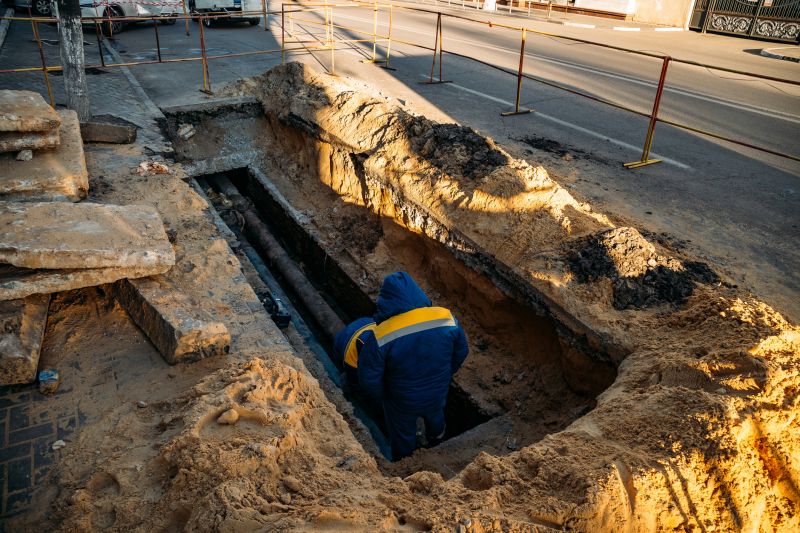
Trench installation services typically encompass the excavation and preparation of narrow, deep channels in the ground to accommodate utilities such as water, gas, electrical lines, or drainage systems. This work involves precise digging to meet specific dimensions, ensuring the trenches are stable and properly aligned for subsequent installation. Contractors may also handle related tasks like backfilling, compaction, and surface restoration to ensure the trench area blends seamlessly with the surrounding property. Understanding the scope of trench work helps property owners communicate their needs clearly and ensures the project aligns with local building codes and safety standards.
Clearly defining the scope of trench installation is essential for establishing realistic expectations and avoiding misunderstandings. Property owners should work with local contractors to specify the dimensions, depth, and purpose of the trenches, as well as any additional work such as pipe or cable placement. Documenting these details in writing helps ensure all parties agree on the project requirements and can serve as a reference throughout the work process. A well-defined scope also allows property owners to verify that contractors have relevant experience and the necessary equipment to handle the specific demands of the job.
When comparing local contractors for trench installation, property owners should consider factors such as experience with similar projects, reputation within the community, and the scope of services offered. It’s helpful to review references or past work to gauge a contractor’s ability to deliver quality results. Asking for detailed descriptions of their process and confirming that their expertise aligns with the project’s specific needs can prevent issues later on. By evaluating these aspects and ensuring clear communication about expectations and scope, property owners can make informed decisions and connect with service providers best suited to handle their trench installation requirements.
Compare local contractors by outlining priorities, verifying experience, and setting clear expectations in writing.
- Compare Contractor Experience - Review the backgrounds and project history of local contractors to ensure they have relevant trench installation expertise.
- Define Project Scope - Clearly outline the work needed and expectations to facilitate accurate communication with service providers.
- Verify Credentials and References - Check references and verify experience to confirm the reliability of local contractors.
- Document Agreements in Writing - Ensure all project details, responsibilities, and expectations are documented to prevent misunderstandings.
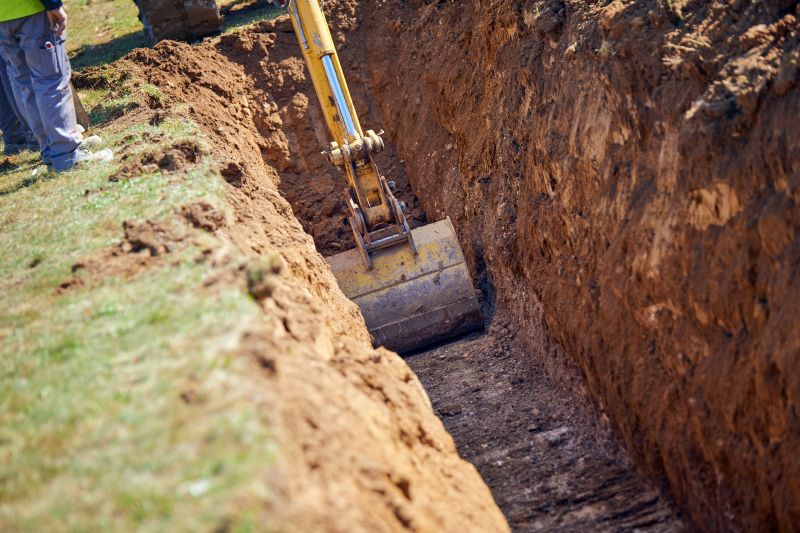
Before comparing contractors for trench installation, clearly define your project scope and verify their experience in similar work.
- Verify experience and references related to trench installation projects. - Ensure service providers have a proven track record with similar trenching work to meet project expectations.
- Define the scope of work clearly in writing before starting the project. - Clarify the trench dimensions, depth, and purpose to prevent misunderstandings.
- Check that the contractor follows proper trench safety and excavation practices. - Confirm adherence to safety standards to minimize risks during installation.
- Discuss the method and equipment to be used for trench digging and backfilling. - Understand how the work will be performed to assess suitability and efficiency.
- Request detailed written estimates outlining the scope, materials, and responsibilities. - Compare service providers based on comprehensive documentation to make informed decisions.
- Ensure the contractor has appropriate insurance coverage for excavation and trenching work. - Protect against potential liabilities or damages during the project.
Use this section to compare local contractors, clarify project scope, verify experience, and set clear expectations in writing.
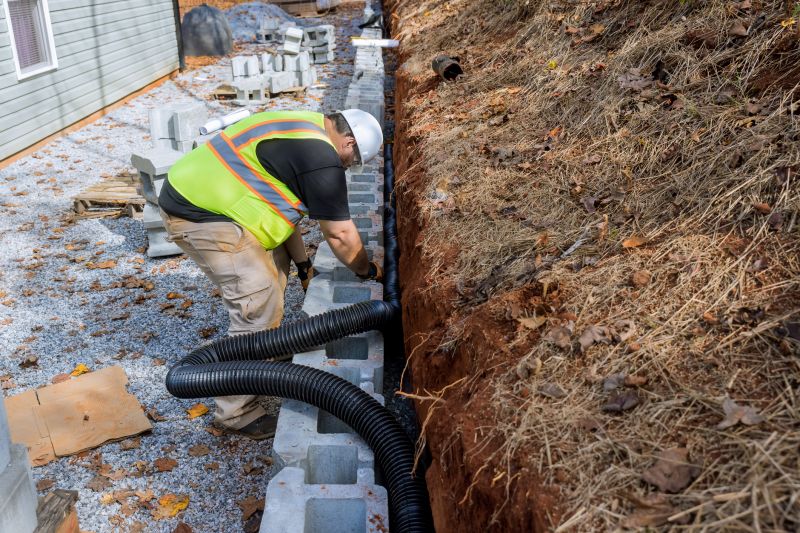
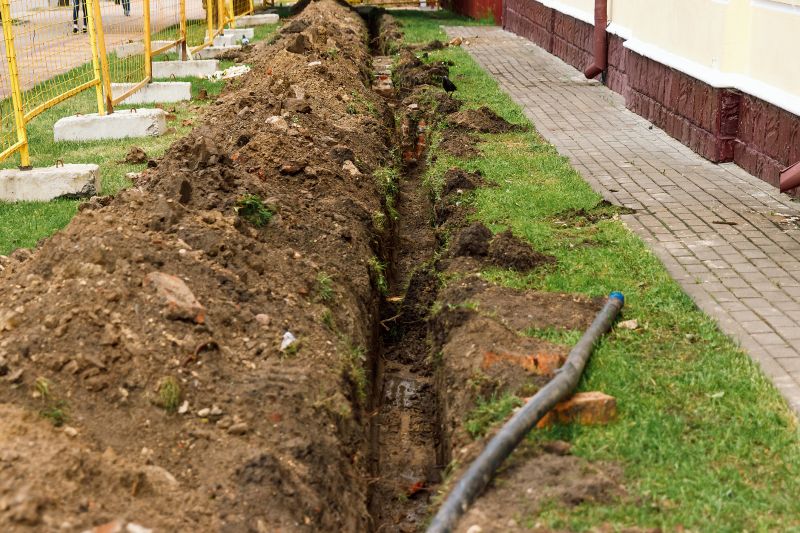
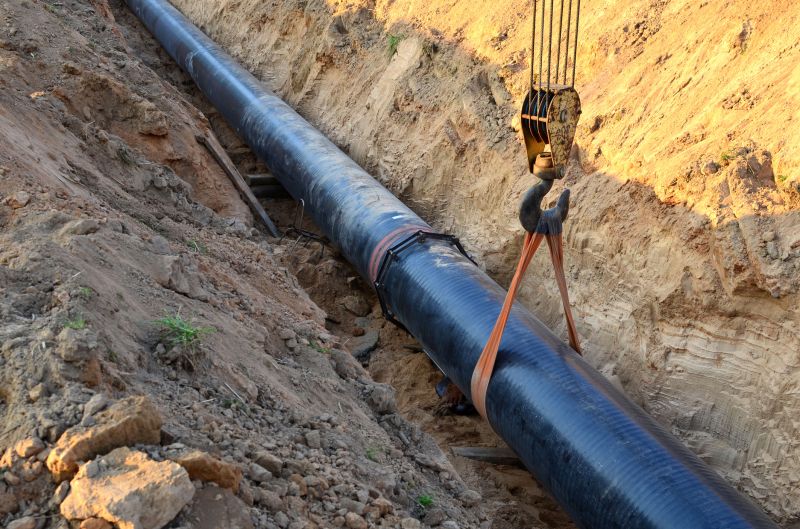
Learn how to compare trench installation contractors, define scope, verify experience, and set clear expectations consistently.
- Scope Definition - Clearly outline the specific trench installation services required to ensure contractor understanding.
- Experience Verification - Confirm that local contractors have relevant experience with trench installation projects similar in scope.
- Material Specifications - Specify the types of materials and trench dimensions needed for the project.
- Worksite Conditions - Describe the site conditions and accessibility to help local service providers assess requirements.
- Written Expectations - Document all project details, responsibilities, and deliverables to establish clear expectations with local contractors.
When comparing contractors for trench installation, it is important to consider their experience with similar projects. Homeowners should inquire about the types of trench work the contractors have completed and ask for examples of past projects that resemble the scope of their current needs. Contractors with a proven track record in trench installation are more likely to understand the complexities involved and deliver results that meet expectations. Verifying the depth of their experience can help ensure that the chosen service providers are capable of handling the specific requirements of the site.
A clear, written scope of work is essential when evaluating different contractors. This document should outline the specific tasks to be completed, the materials to be used, and the projected outcomes. Having a detailed scope helps prevent misunderstandings and ensures that both parties are aligned on project expectations. Homeowners are encouraged to request detailed proposals or written plans that specify the work involved, which can serve as a reference throughout the project and provide clarity on what will be delivered.
Verification of a contractor’s basics involves confirming their ability to perform the work safely and effectively. This includes checking that they have appropriate equipment, understanding their process for site preparation, and ensuring they can manage potential challenges such as underground utilities or soil conditions. Homeowners should also ask how the contractor plans to verify the accuracy of the trench alignment and depth during installation. Establishing these verification methods helps ensure that the project will meet the technical requirements and quality standards necessary for successful trench installation.
When evaluating options among local service providers, it is helpful to compare their experience, scope of work, and verification procedures without focusing on pricing. Homeowners should look for detailed project descriptions, ask about their approach to quality control, and verify their familiarity with local site conditions. Gathering this information allows for an informed comparison of each contractor’s capabilities and methods, making it easier to select a service provider who can meet the specific needs of the project with confidence.
Request written scope details from local contractors to ensure clear expectations and consistent project understanding.
- Experience and Expertise - What specific experience do local contractors have with trench installation projects similar to yours?
- Scope of Work - How do contractors define and clarify the scope of trench installation to ensure all aspects are covered?
- Comparison of Services - What services and methods do different local service providers use for trench installation?
- Project Expectations - How do contractors document and communicate project expectations and responsibilities in writing?
- Qualifications and References - Can contractors provide references or examples of previous trench installation work to verify their experience?
What should I consider when choosing a contractor for trench installation? It's important to compare local contractors based on their experience, reputation, and the scope of services they offer to ensure they meet project requirements.
How can I verify a contractor's experience with trench installation? Review their past work, ask for references, and inquire about their familiarity with the specific type of trenching project you need completed.
Why is it important to define the scope of trench installation in writing? Clearly outlining the project details helps set expectations, prevents misunderstandings, and provides a record of agreed-upon work for both parties.
What questions should I ask potential contractors before hiring? Ask about their previous projects, methods, equipment used, and how they handle unforeseen issues to assess their suitability for your trenching needs.
How can I compare different service providers effectively? Look at their experience, scope of services, reputation, and the clarity of their proposals to determine which contractor aligns best with your project goals.
What role does communication play in hiring a trench installation contractor? Open and detailed communication ensures that project expectations are clear, questions are answered, and any concerns are addressed throughout the process.
Understanding the key aspects of trench installation, including defining the project scope, verifying contractor experience, and establishing clear expectations in writing, can help ensure a smooth process. Comparing different service providers allows for a better grasp of the options available and helps identify the best fit for specific needs. Using the quote form to connect with local contractors provides an efficient way to explore your choices and gather the necessary information to make an informed decision.
By utilizing the quote form, visitors can easily compare local contractors who specialize in trench installation. This process enables you to gather details, verify experience, and clarify project expectations without commitments. Taking the time to review and compare options through this tool can help in finding service providers equipped to handle the job effectively.